



WhatsApp’s rural India outreach is entering a new phase, expanding its focus beyond text-based communication to promote more intuitive ways of staying connected. The campaign continues to empower users who are less comfortable with typing by positioning Voice Notes and Video Notes as natural alternatives to texting-and in many cases, even to making calls.
Video 1: https://www.youtube.com/watch?v=qpV4Goaul7Q
Rooted in WhatsApp’s belief of helping people share their real selves in safe and private spaces, the initiative builds on insights from everyday communication patterns in rural communities. By highlighting voice-led features, the brand aims to make digital conversations more accessible and inclusive.
The second phase takes the work beyond the short film Baatan Hi Baatan Mein. Conceptualised by Fundamental and executed on ground by TriOOH, Superlative Films and Spark Foundry, this leg of the campaign uses hyperlocal, context-driven formats that align closely with the lived realities of rural audiences.
Video 2: https://www.youtube.com/watch?v=MQhExwzJfhs
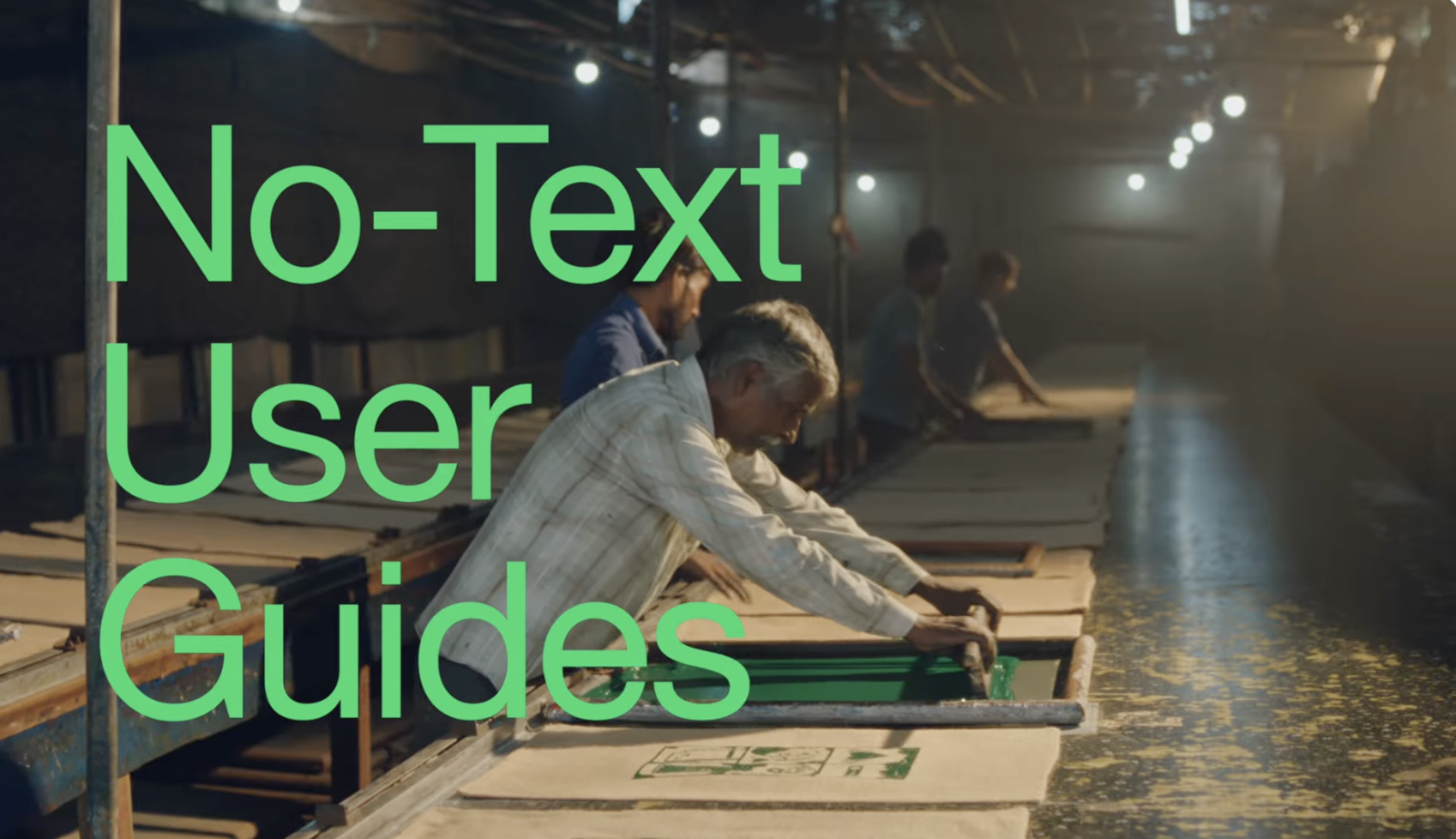
A key innovation in the rollout is the introduction of No Text User Guides-visual, step-by-step instructions created for people who may not read or write. These guides have been painted or printed on familiar, everyday surfaces such as trucks, gunny bags and walls, ensuring the information is both visible and intuitive.
To preserve cultural authenticity, WhatsApp collaborated with traditional artists skilled in local art forms. Gunny bags were produced at scale using labour-intensive screen-printing methods by specialist artisans, while more than 30 painters-many from Madhya Pradesh-worked on truck and wall art under the guidance of veteran artists Mr. Nafees Ahmad Khan and Mr. Ashok Kumar of Sagar.
Alongside this, Baatan Hi Baatan Mein continues to build cultural resonance through screenings at rural single-screen theatres and via Ghumakkad Talkies-mobile cinema vans that bring films directly to communities. This approach has enabled the campaign to reach over 240 villages and hamlets across Vidisha district, creating shared viewing experiences in low-access regions.