



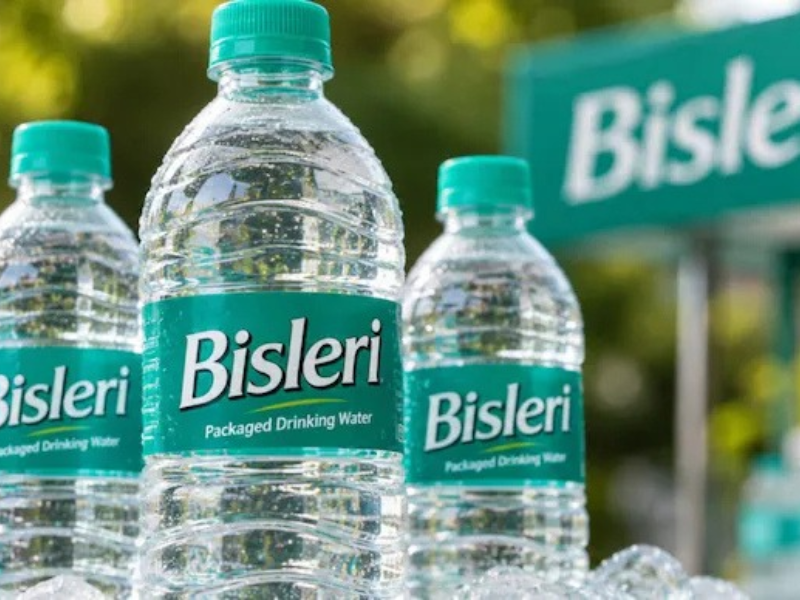
When a brand’s name becomes interchangeable with the product itself, consumer trust becomes a core part of its identity. Bisleri has built that recognition over decades, and lookalike names such as “Bisreli”, “Bilseri” and “Beslri” show how widely the name is known. For a brand this familiar, any question about product quality carries weight well beyond a single regulatory case.
That is why the recent FSSAI findings have drawn such scrutiny. A packaged drinking water sample from Bisleri’s premises was declared unsafe after laboratory tests detected bromate beyond the prescribed limit. A referral laboratory later identified PAHs, leading to prosecution proceedings against the company. In a category built on purity and safety, such findings naturally draw close attention.
Bisleri, however, is standing by its central promise. The company maintains that its water is safe for consumption and points to its quality-control measures. It disputes aspects of the laboratory findings and cites independent testing that it says found bromate within the prescribed limit. It has also reiterated its willingness to cooperate with regulators. For consumers, clear and timely information on testing and any corrective steps will remain important.
The episode raises a larger brand question: how does a market leader defend consumer confidence when its core promise comes under public scrutiny? For Bisleri, the response is about more than a regulatory issue. It is about continuing to back the assurance that has shaped its identity for generations. Its answer will be watched closely by consumers, regulators and the wider industry alike.