



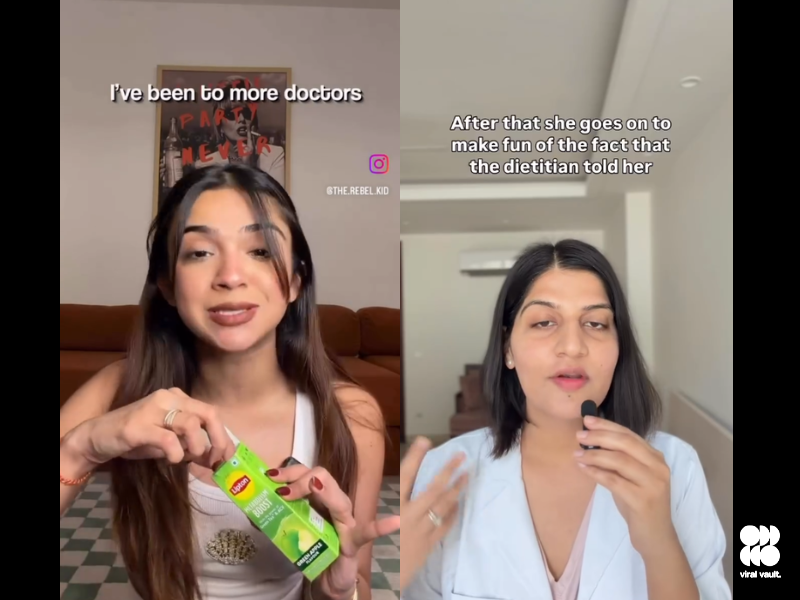
A now-deleted video by Apoorva Mukhija has triggered criticism online after it appeared to link Lipton metabolism tablets to the treatment of PCOD and PCOS-conditions typically managed through medical guidance and lifestyle changes.
Video Link: https://www.instagram.com/reel/DWlwnikEpZl/?utm_source=ig_web_copy_link&igsh=MzRlODBiNWFlZA==
In the video, Mukhija shared her experience with PCOD, mentioning a doctor’s advice to adopt healthier habits such as regular exercise, better sleep, and dietary control. However, she suggested that instead of following these recommendations, alternatives like Lipton’s metabolism-focused tablets could be an easier option. The statement quickly drew backlash, with viewers questioning the accuracy and responsibility of such claims.
Medical experts widely emphasise that PCOD and PCOS are hormonal conditions requiring structured care, often involving lifestyle changes and, in some cases, prescribed treatment. Positioning over-the-counter supplements as substitutes for medical advice is considered sensitive and potentially misleading.
The controversy is particularly notable as Lipton is currently running influencer-led campaigns around its wellness and metabolism product range. While other creators associated with the campaign have taken a more cautious and informed approach, the messaging in this instance stood out for its tone and implications.
Following criticism in the comments, the video was taken down. However, the incident has reignited discussions around influencer accountability, especially when dealing with health-related topics.
At a broader level, the episode highlights a key challenge in influencer marketing-balancing relatability with responsibility. As audiences increasingly rely on creators for recommendations, the need for accurate, transparent, and well-informed communication becomes more critical than ever.
A now-deleted video by Apoorva Mukhija has triggered criticism online after it appeared to link Lipton metabolism tablets to the treatment of PCOD and PCOS—conditions typically managed through medical guidance and lifestyle changes.
In the video, Mukhija shared her experience with PCOD, mentioning a doctor’s advice to adopt healthier habits such as regular exercise, better sleep, and dietary control. However, she suggested that instead of following these recommendations, alternatives like Lipton’s metabolism-focused tablets could be an easier option. The statement quickly drew backlash, with viewers questioning the accuracy and responsibility of such claims.
Medical experts widely emphasise that PCOD and PCOS are hormonal conditions requiring structured care, often involving lifestyle changes and, in some cases, prescribed treatment. Positioning over-the-counter supplements as substitutes for medical advice is considered sensitive and potentially misleading.
The controversy is particularly notable as Lipton is currently running influencer-led campaigns around its wellness and metabolism product range. While other creators associated with the campaign have taken a more cautious and informed approach, the messaging in this instance stood out for its tone and implications.
Following criticism in the comments, the video was taken down. However, the incident has reignited discussions around influencer accountability, especially when dealing with health-related topics.
At a broader level, the episode highlights a key challenge in influencer marketing—balancing relatability with responsibility. As audiences increasingly rely on creators for recommendations, the need for accurate, transparent, and well-informed communication becomes more critical than ever.