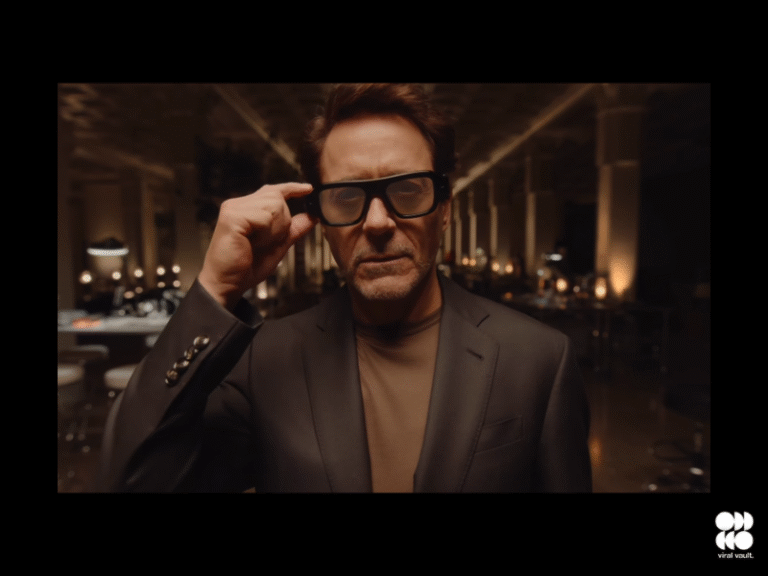




A wave of AI-generated videos featuring a so-called “Maggi capsule” that instantly turns into a bowl of noodles has captured the internet’s imagination, clocking millions of views across social platforms. The clips showed a small yellow capsule dropped into boiling water, magically transforming into ready-to-eat Maggi, prompting excitement, curiosity and confusion among viewers.
Shared widely by vloggers and content creators, the videos presented the capsule as a breakthrough convenience product, with many praising Maggi for what appeared to be a futuristic innovation. As engagement surged, so did debate-was this an actual product launch or an elaborate digital prank?
Video: https://www.instagram.com/reel/DSChy7xiUFA/?utm_source=ig_web_copy_link&igsh=MzRlODBiNWFlZA==
Attentive users soon cracked the mystery. Visual inconsistencies such as oddly shaped forks, unnatural hand movements and distorted facial expressions revealed the videos to be AI-generated. What initially looked like a revolutionary food innovation turned out to be a cleverly executed generative AI hoax.
Rather than distancing itself from the buzz, Maggi India chose to lean into the moment with a light-hearted response. Commenting on the viral posts, the official Maggi handle quipped, “Pls don’t celebrate April Fool’s Day in other months,” instantly winning over users with its wit and self-awareness.
The playful clap-back helped the Nestlé-owned brand take control of the narrative, transforming a potentially misleading trend into a moment of organic engagement. By responding quickly and humorously, Maggi reinforced its culturally savvy brand voice while tapping into the ongoing conversation around AI-created content.
The episode highlights how generative AI is increasingly shaping online culture-and how brands that respond with agility and humour can turn viral pranks into positive consumer connections.