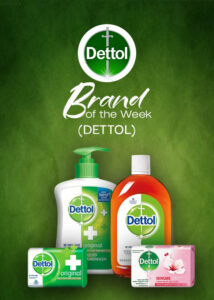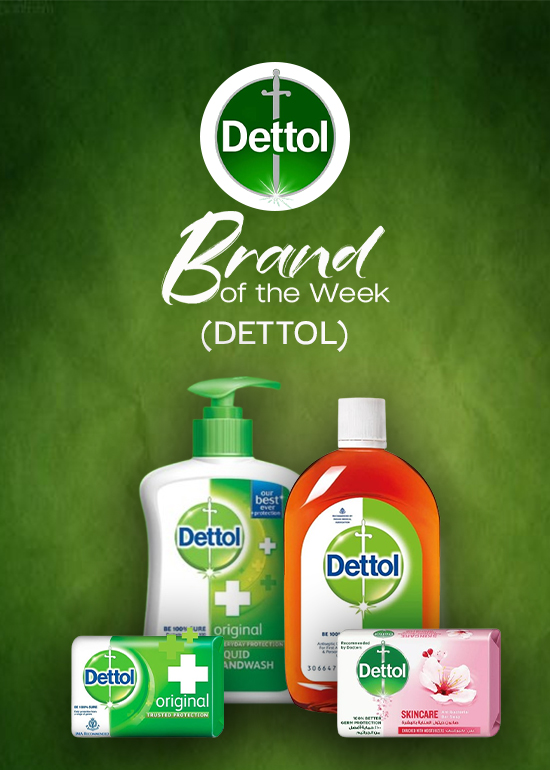



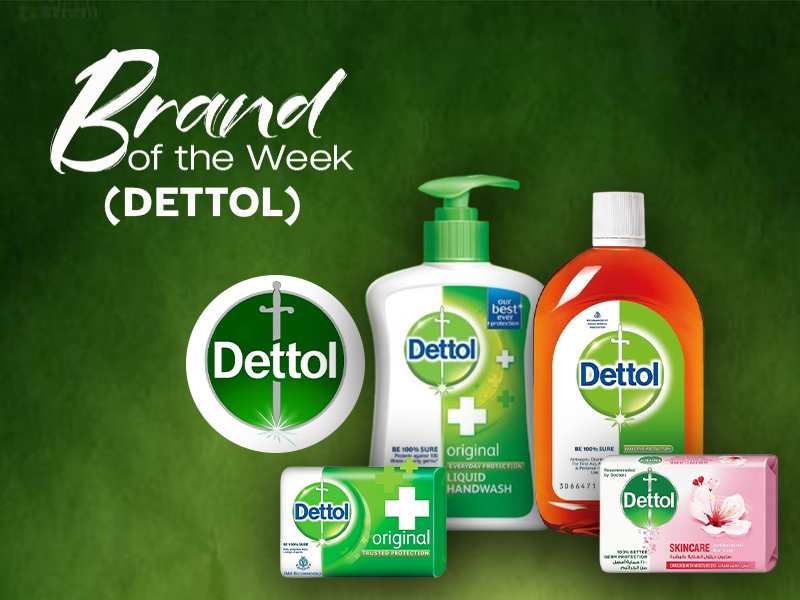
Every Indian household has a Dettol story. A scraped knee, a monsoon flu, a mother reaching for the green bottle before reaching for words. That instinct wasn’t an accident – it was built, decade after decade, with rare marketing discipline.
Link: https://www.instagram.com/p/Daz_HOvGc9D/?igsh=bW5jdW56c2d6MHY1
Dettol launched in 1933 as a hospital antiseptic. It could have stayed a functional product. Instead, under Reckitt, it expanded into soaps, handwashes, sanitizers and surface disinfectants – building a hygiene ecosystem now trusted across 124 countries, with its antiseptic used over 2,000 times every minute.
The real genius came when rivals launched antiseptics that didn’t sting. Dettol didn’t reformulate – it reframed. The sting, the smell, the mild burn became proof the product was working, not a flaw to fix. Perception, not chemistry, won that round.
Then came the bigger pivot: from selling germ protection to selling emotional protection. “Kills 99.9% germs” became “Nothing Protects Like Mom & Dettol.” Campaigns like Dettol Banega Swasth India, #DettolSalutes, and Shaadi Ka Ghar stopped talking about bacteria and started talking about love, instinct, and family.
The results speak for themselves – over 85% share of India’s antiseptic market, roughly 60% in handwash, presence in 16 lakh+ outlets, and steady double-digit growth for Reckitt in India.
But the real win isn’t market share. It’s language. Nobody asks which antiseptic to buy. They just say, “Dettol laga do.” Dettol didn’t just build a brand. It built a reflex – and that’s a lesson most marketers spend careers chasing.