



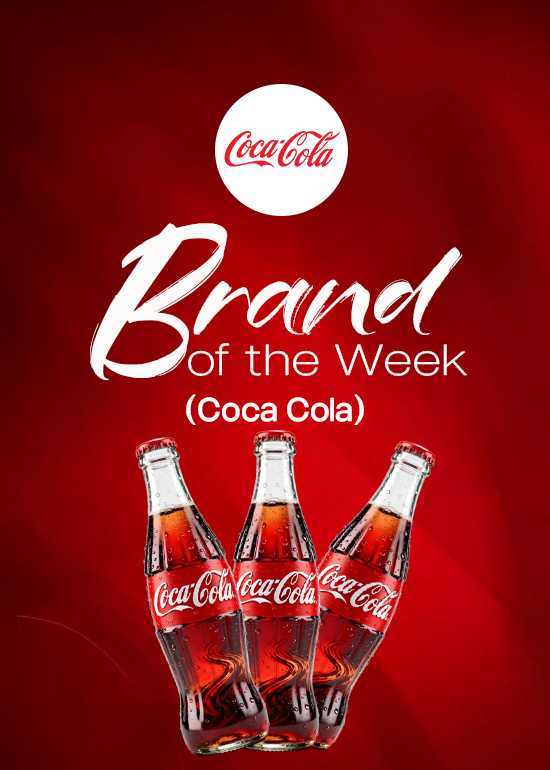
In 1886, an Atlanta pharmacist mixing syrup with sparkling water had no idea he was bottling the future of global culture. That experiment, created by Dr. John Stith Pemberton, would evolve into Coca-Cola – a brand now present in over 200 countries, woven into birthdays, road trips, festivals and everyday celebrations worldwide. His bookkeeper Frank M. Robinson named the product and penned the now-iconic script logo, a simple act of branding that remains globally recognisable nearly a century and a half later.
What truly accelerated Coca-Cola’s rise wasn’t the drink itself, but a bold business decision. In 1899, the company sold nationwide bottling rights for a mere dollar, building a franchise network that let local partners scale the brand across America and eventually the planet. By 1915, facing a flood of copycats, Coca-Cola introduced its now-legendary contour bottle – a design so distinctive it could be identified by silhouette alone, even shattered on the ground.
Beyond packaging and distribution, Coca-Cola’s real innovation was emotional. Rather than marketing taste, the brand sold feeling – nostalgia, togetherness, joy – turning a carbonated beverage into a vessel for shared human moments. Campaigns built around unity, tradition and personalisation cemented this emotional architecture in the public imagination.
Even strategic risks, like launching Diet Coke in 1982 with an entirely new formula rather than a simple sugar cut, demonstrated the brand’s willingness to evolve without abandoning its identity.
The result is a brand built on a formula no competitor can replicate: emotion, culture, consistency and constant reinvention.