



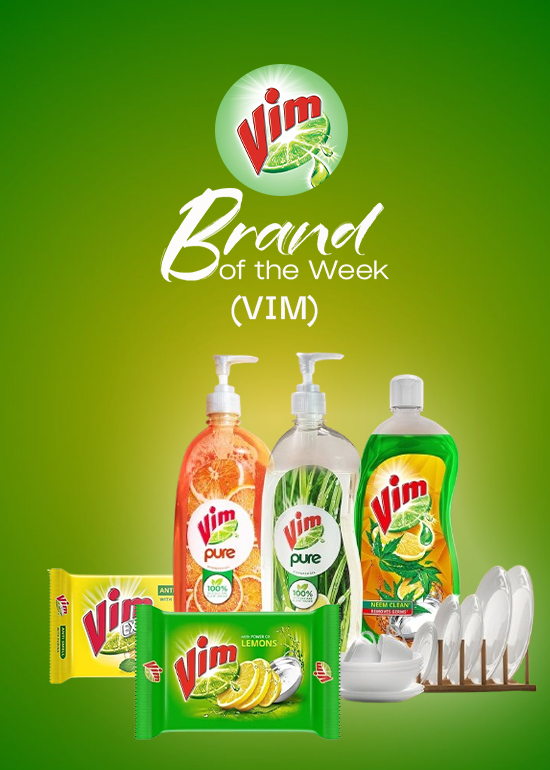
For over 30 years, Vim has sat beside Indian kitchen sinks doing one unglamorous job: cutting through grease. It’s the kind of product nobody thinks twice about – until it shows up on the world’s biggest creative advertising stage.
The brand’s story starts far from Indian kitchens, in 1885, when UK brothers William and James Lever decided cleaning products deserved memorable names and real advertising, effectively laying early groundwork for modern FMCG branding. Nearly 140 years later, that idea found its biggest test in India, where Vim now holds over 80% of the dishwashing market.
The reason isn’t just price or fragrance. Vim built its dominance by naming something most ads ignored – the hours of unpaid household labour women were quietly putting in every week. A satirical “Vim Black for Men” launch played on this directly, generating real debate before revealing itself as commentary on men being celebrated for chores women had done unnoticed for years. Campaigns like “Nazariya Badlo” and “Equal Vows” pushed further, with Virender Sehwag and the duo of Rajkummar Rao and Patralekha shown sharing housework on screen.
Then came the moment that explains the headline. At the Maha Kumbh, Vim orchestrated the cooking of 10,000 kg of halwa in a 15-foot kadhai – and cleaned the giant vessel using nothing but its classic green bar. The stunt, titled “Vim Ka Mahakadhai Record,” translated this scale into a Cannes Lions 2026 shortlist, placing a ₹10 dishwashing bar among India’s most-watched creative entries this year.
Sometimes the smallest object in the kitchen makes the loudest statement.