


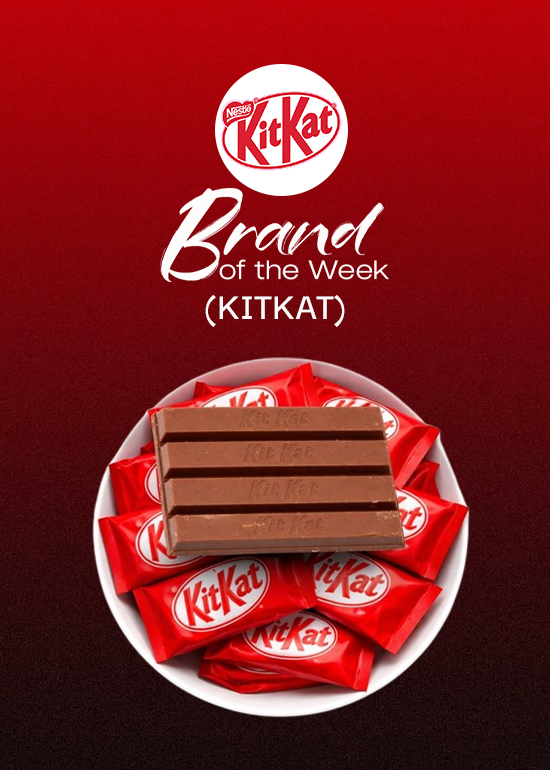
In 1935, an anonymous worker at a factory in York, England, dropped a note in the suggestion box. The idea was simple – make something a man could carry in his lunchbox without it melting. That note became KitKat.
Nine decades later, the country eating more KitKat than anywhere else on the planet isn’t Britain. It isn’t Japan, famous for its hundred-odd flavours. It isn’t Brazil or any corner of Europe. It’s India.
A decade ago, India wasn’t even in the top ten markets globally for the brand. Today it leads 85 countries – and it did it in roughly ten years. KitKat is now only the second Nestlé brand after Maggi to hold the number one position worldwide. That company it keeps is not accidental.
What moved the needle wasn’t one thing. Nestlé expanded aggressively – premium launches like KitKat Delights in Salted Caramel and Hazelnut, mainstream innovations like KitKat DUO, and new occasions through KitKat Celebreak for gifting and KitKat Pops for nibbling. A nationwide visicooler rollout quietly put the brand inside every corner store fridge, urban and rural alike. Then came Snap to Decide – a Gen Z campaign built entirely around a habit young Indians had already invented themselves.
In FY25 alone, Nestlé India sold 3,950 million KitKat fingers.
Rowntree’s couldn’t have imagined it in 1935. But somewhere between a lunchbox idea and a billion fingers, India decided to make KitKat its own.