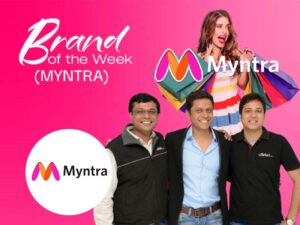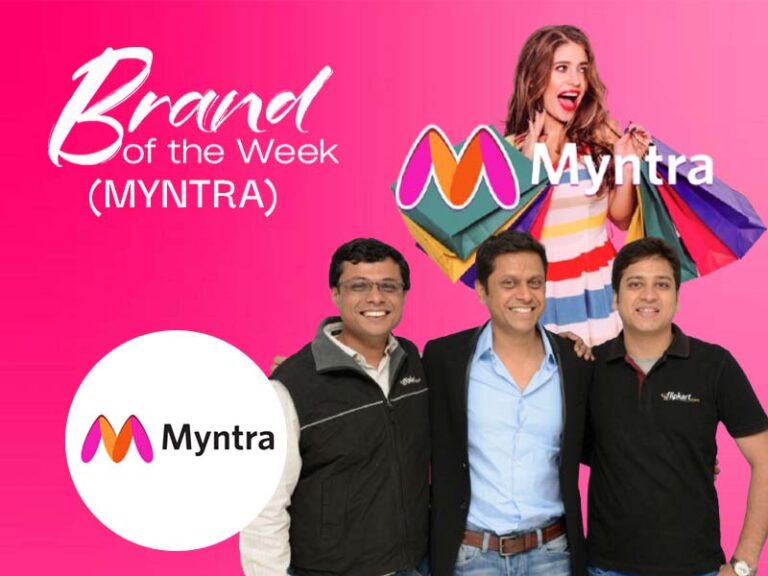



In 2007, IIT Kanpur graduate Mukesh Bansal, with Ashutosh Lawania and Vineet Saxena, launched Myntra to sell personalised gifts such as mugs, mousepads and T-shirts. Around 2011, the founders pivoted fully to fashion, and the gift shop became the wardrobe. In 2014, Flipkart acquired Myntra, reportedly for around $330 million, while letting it run standalone. Two years later, Myntra bought rival Jabong, and in-house labels like Roadster, Anouk and Dressberry kept growing.
Behind the scroll, the platform keeps rebuilding itself. Shoppers now get Myntra FWD for Gen Z, an AI Stylist and M-Now ultra-fast delivery. In July 2026, Myntra said generative AI cut its time-to-market by 40%, with seller onboarding falling from 10-15 days to under two and catalog creation from a day to four hours. In January 2026, it also introduced zero-commission selling for new Made-in-India D2C brands in their early phase.
On the front end, the brand has found its voice. Alia Bhatt became the face of Myntra and Myntra Beauty on 9 April 2026, launching Glow Up Days with a film about not wanting to finish the last drop of an expensive serum. Humour has driven the year’s work, from Kiara Advani’s take on trend-policing to the Blame it on Myntra film, a Times of India newspaper runway and M-Now’s mugshot makeup spot. Myntra stopped shouting discounts and started telling stories.
The Big Fashion Festival campaign, set to go live October 8, brings Alia Bhatt and Ranbir Kapoor together. A stray scrunchie, an OTP or a sneeze spirals into exaggerated logic that ends on Myntra, because when deals are this good, any reason is reason enough.
The lesson for brands is simple: fix the backstage so the frontstage can shine, and sell the feeling, not the discount.