



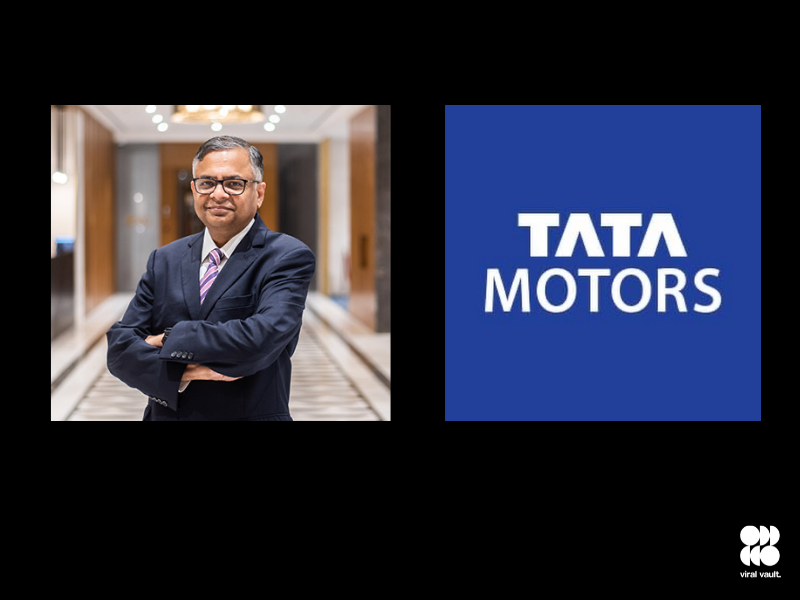
Tata Motors will continue investing in electric and hydrogen-powered technologies as it advances its vision for sustainable commercial mobility, Chairman N Chandrasekaran said in the company’s FY26 annual report.
Speaking to shareholders, Chandrasekaran highlighted that the transition to cleaner transportation will require a combination of technologies rather than a single solution. He noted that electric vehicles, hydrogen-powered systems, and cleaner internal combustion engine technologies will all play an important role in reducing emissions and meeting future mobility needs.
The company plans to expand its range of zero-emission electric commercial vehicles while accelerating the development of hydrogen-based solutions, particularly for heavy-duty transport applications where alternative powertrains are expected to gain relevance.
Chandrasekaran also pointed to the growing influence of digital technologies and artificial intelligence on the automotive industry. He said innovations in connected mobility, vehicle intelligence, and data-driven services are transforming how vehicles are designed, operated, and maintained.
According to him, the industry is navigating a period of rapid change driven by sustainability goals, stricter safety standards, evolving supply chains, and geopolitical uncertainties. In this environment, resilience, adaptability, and disciplined investment remain key priorities for Tata Motors.
The company is focusing on future-ready technologies such as connected vehicle platforms, advanced driver assistance systems (ADAS), digital ecosystems, fleet management solutions, and next-generation powertrains to strengthen its commercial vehicle business.
Tata Motors also reported its highest-ever annual revenue of ₹83,855 crore in FY26, up 9.8% from ₹76,359 crore in the previous year. The automotive business delivered a return on capital employed of 72.3%, reflecting strong operational performance and profitability.