



Generation Z is often criticised for asking too many questions and, at other times, for taking entitlement too far. The phrase “we are Gen Z” has become shorthand for being demanding, impatient and unwilling to simply adjust. In workplaces especially, they’re frequently in the spotlight – either for their language or their willingness to question authority. Yet while some of that entitlement clearly oversteps, this generation also deserves credit for refusing to swallow discomfort quietly.
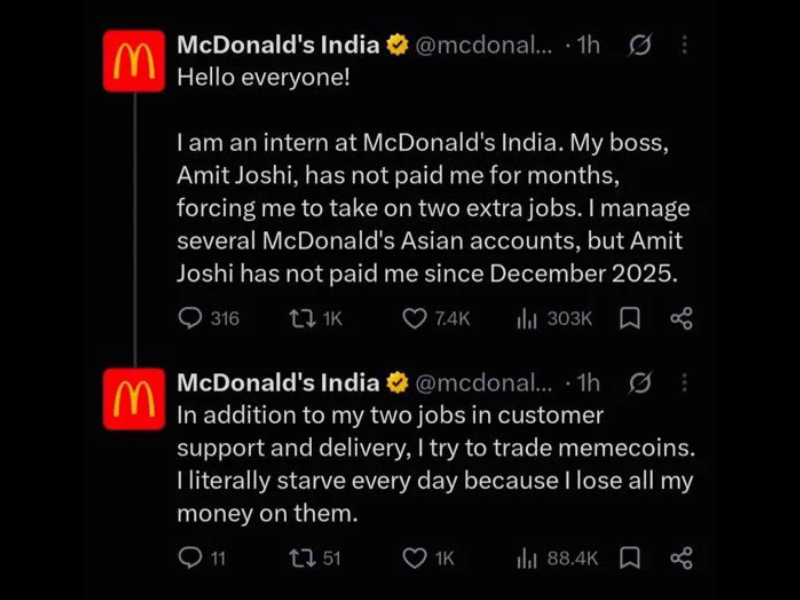
A recent controversy involving a now-deleted post purportedly linked to McDonald’s India illustrates this shift. The post claimed to be from an unpaid intern, naming an individual and alleging non-payment since December 2025. It spread rapidly before being taken down, though screenshots continued circulating. McDonald’s India has firmly denied any connection, calling the post fabricated and noting discrepancies in the image, and the claims remain unverified.
Regardless of this episode’s disputed facts, the reaction reveals something larger. Where earlier generations were taught to “adjust” and stay silent about toxic bosses or delayed pay, Gen Z has turned private workplace grievances into public conversations – discussing burnout, comparing salaries, and questioning why passion should substitute for compensation.
This doesn’t mean every complaint is valid or every viral claim is true. But it does reflect employees who are less afraid to ask uncomfortable questions – and that discomfort is exactly what many workplaces are still adjusting to.